
On a spreadsheet, Japan looks like an easy option. Yields are steady, the weak yen has made entry prices look friendly to anyone earning in dollars or euros and foreign buyers can own property outright with all of the protections and perks that locals have.
But the number on the spreadsheet is a clean figure, before anything has happened. The return you actually receive comes through later, through a string of unglamorous decisions: how quickly an empty unit gets let, what rent it’s let at, and whether a small problem is fixed this month or next year. Each of them feels like a minor choice when they come up, but added up over a decade, they’re most of the yield you walk away with.
Vacancies: The silent struggle
A vacancy doesn’t really feel like an emergency at first. Nothing breaks and nobody calls — the rent just isn’t there.
Take a unit that lets for ¥150,000 a month. Two extra empty months in a year is ¥300,000 of income gone, and that’s before you think about the taxes, association fees and utilities that keep running whether anyone lives there or not. (We go through those in more detail here.)
What shortens a vacancy is mostly legwork: listing the unit promptly and well, pricing it for the market it’s in and having it in a state a tenant will consider acceptable. All of it needs someone who is paying attention the week the previous tenant leaves, not three weeks later.

In Japan, staying on top of rent is so important because the rate you start at is more locked in than owners from other markets tend to expect.
Rent: Keep up or you are left behind
Fixing what breaks and looking after an asset are not the same task. Repair is reactive and usually costs more, while upkeep is about being proactive and dealing with issues before they arise. If a tenant mentions a slow drain or a faint stain on a ceiling, the way your property manager responds is going to change how much of a problem it is. If they treat that as an issue and are proactive, it’ll be sorted with one small bill. If they file it away and decide to get to it later, expect a significantly larger bill later, and sometimes a dispute along with it.
Don’t conflate upkeep and repair
Fixing what breaks and looking after an asset are not the same task. Repair is reactive and usually costs more, while upkeep is about being proactive and dealing with issues before they arise. If a tenant mentions a slow drain or a faint stain on a ceiling, the way your property manager responds is going to change how much of a problem it is. If they treat that as an issue and are proactive, it’ll be sorted with one small bill. If they file it away and decide to get to it later, expect a significantly larger bill later, and sometimes a dispute along with it.
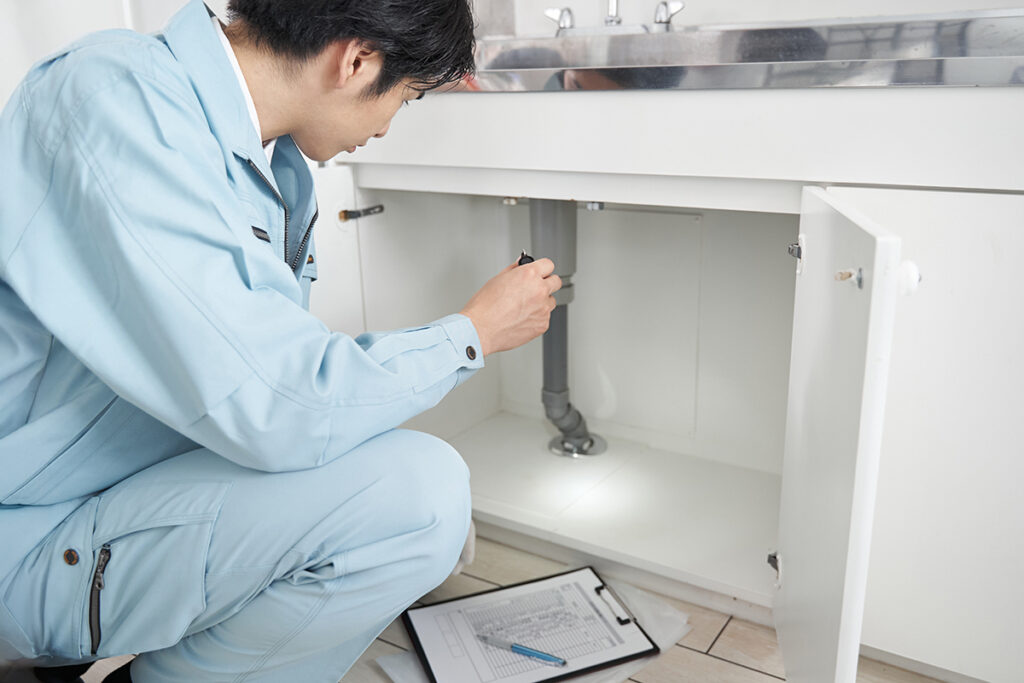
While many factors go into setting the ceiling of a property’s income, upkeep decides how much of that ceiling it reaches. A well-placed building that’s been properly looked after can hold its tenants and its value against newer stock nearby. Age matters, but how the building has been treated matters at least as much.
Owners who've coasted on minimal management for a decade often find their position at the table weaker than they expected.
A buyer will read your last five years
Most owners sell eventually, and that’s when the management record turns into money. A buyer is paying for a building in a certain condition, with tenants of quality, producing a consistent rent. All three are heritage: products of years of earlier decisions.
Owners who’ve coasted on minimal management for a decade often find their position at the table weaker than they expected, while owners who’ve kept the building and the tenancy in good order tend to find the opposite. These results should not come as any sort of a surprise: condition and tenancy are exactly what a buyer has come to check.

This is Why Your Property Management Matters
In plenty of firms, property management is an addendum to the sales side of things. That isn’t a problem in itself, but it raises a question: is the team measured on occupancy and rent, or is the department mainly there to keep clients on good terms until the next transaction? Ask how the people looking after your unit are measured, and who they answer to. The reply tells you where their attention is likely to go.
Axios treats the whole thing as part and parcel of their work. Work starts before you buy, with a pre-acquisition analysis covering location, physical condition, rental history and where the property sits in its local market. It continues into day-to-day property management, where vacancies, upkeep and rent are handled and reported to overseas owners in English, and it carries through to the sale. That makes an owner’s life significantly easier, since whoever knows your building’s history is still around when it’s time to sell it, with their personal knowledge of your space at your disposal.
FAQ
Does the way a property is managed affect what it sells for?
Yes. Buyers look closely at building condition and how stable the tenancy is. A property with a clean maintenance record and steady occupancy will usually draw stronger interest than a comparable one with gaps in either.
Is the highest possible rent the right target?
No. Rent set above what the market will bear tends to turn into vacancies, and because tenant protections slow later increases in Japan, the aim is a rent the market supports, reviewed regularly.
When should property management start?
Before the purchase. A pre-acquisition analysis looks at the location, physical condition, rental history and local market position, so the numbers going in have been checked rather than assumed.
Is an older building a poor investment?
Not automatically. Age affects book value and maintenance needs, but a well-located building with a good upkeep record and a proper analysis before purchase can still return good numbers.

Tsuyoshi Hikichi
Managing Director of Axios Management and IREA, with over 22 years of experience advising international investors on acquiring, managing, and optimizing real estate assets in Japan.