
Over the last few years, international families and investors have become increasingly interested in buying second homes or investment properties in Japan. With the country’s relatively affordable real estate market and the weakened yen, Japan has become an attractive choice for those looking to diversify their assets or simply own a retreat in Asia.
However, navigating the legal and financial landscape can seem daunting for non-residents. This guide outlines the essential steps—from securing financing to understanding tax implications—with insights from Tsuyoshi Hikichi, Managing Director of Axios Management, on how to make the process seamless.
Axios Management bridges the gap by assisting with the documentation and communication needed to establish these entities and secure financing.
Securing a Home Loan Without Permanent Residency
For most non-Japanese residents, securing a loan is the most significant hurdle, yet it is possible with the right partners. While many Japanese banks have conservative lending practices requiring permanent residency (PR) or a Japanese spouse, institutions like SBI Shinsei Bank and SMBC Prestia are more accommodating to foreign nationals. Shinsei Investment & Finance is also notable for providing investment loans with more flexible terms.
Without these specific banking partners, the process can be tedious. “If you don’t have a PR visa, banks will think you won’t live in Japan in the long-term,” Tsuyoshi explained. “They are worried they might lose contact with you if you don’t have a Japanese spouse or working place in Japan.”
Because of these challenges, setting up a legal entity in Japan is often required for larger-scale investments. Axios Management bridges this gap by assisting with the documentation and communication needed to establish these entities and secure financing.

Choosing Between Corporate and Individual Ownership
The decision to buy as an individual or through a corporate structure primarily depends on your projected income, with 20 million yen per year being the key threshold.
- Individual Ownership: This path is ideal for smaller-scale personal or second-home purchases. It offers simpler tax filing, a straightforward transaction process, and lower initial setup complexity.
- Corporate Ownership: This structure is recommended if rental income exceeds 20 million yen annually. It offers distinct tax advantages, including the ability to expense salaries paid to family members (directors), which optimizes the household’s overall tax exposure.
Furthermore, a corporate structure streamlines inheritance planning. By appointing a spouse or child as a director or shareholder, owners can ensure a smooth transfer of assets and avoid the complex inheritance procedures often faced by individual overseas owners.
Legal Requirements and Tax Obligations
Legally, the requirements for purchasing real estate are exactly the same for foreigners as they are for Japanese citizens. However, tax authorities require overseas owners to provide an emergency contact upon registration to ensure they remain accountable and reachable for tax liability.
Be aware of the specific taxes involved.
Financially, buyers should prepare a down payment ranging from 10% to 20% for housing loans, and up to 50% for investment properties. Be aware of the specific taxes involved:
- Acquisition Tax: A one-time fee upon purchase.
- Fixed Asset Tax: A yearly tax on the property.
- Capital Gains Tax: Charged on profits from selling; the rate is approximately 30% if sold within five years, dropping to 15% after five years.
Comprehensive Support via Axios Management
Navigating these complexities is significantly easier with a partner who understands both the local market and global client needs. Axios Management specializes in this end-to-end service.
Beyond just finding a property, Axios provides the crucial infrastructure for foreign investors. This includes financing guidance, assistance with setting up Japanese corporate entities, and handling tax and legal advice from acquisition to inheritance planning.
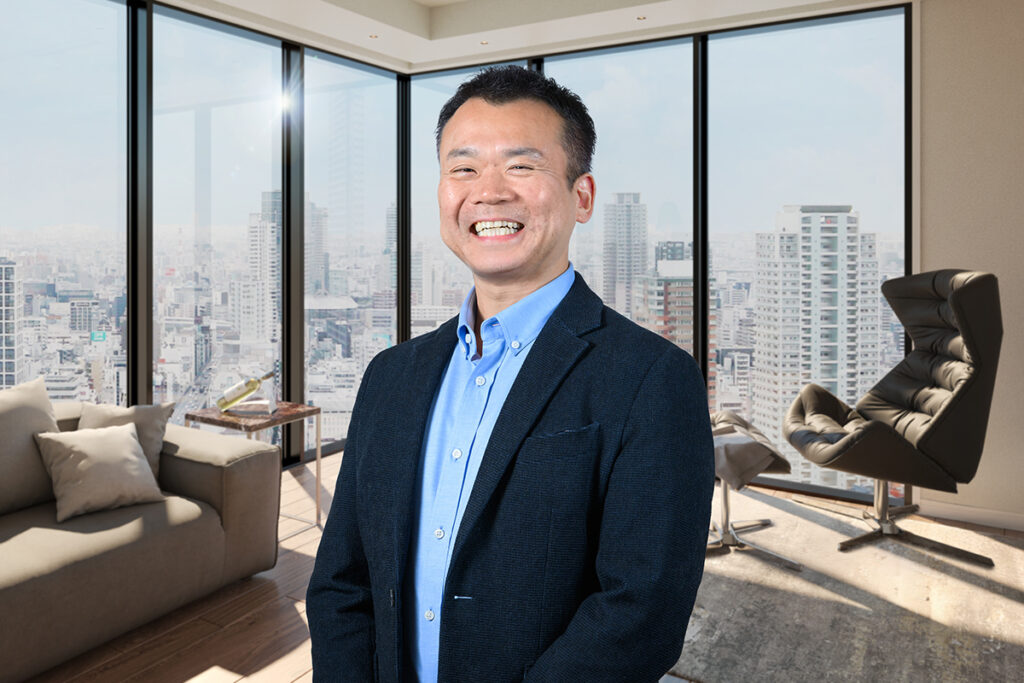
Crucially, their support continues after the purchase. Axios Management handles ongoing property management, including utility bills, tax management, and tenant facilitation. This 360-degree approach ensures that even from abroad, the investment remains secure and compliant.
Frequently Asked Questions
Can foreigners get a mortgage in Japan?
Yes, but it is difficult without permanent residency. Foreigner-friendly banks like SBI Shinsei Bank and SMBC Prestia are the best options, though investment loans often require setting up a Japanese corporate entity.
Should I buy property as an individual or a company?
If your expected rental income is under 20 million yen, individual ownership is simpler. For income above that threshold, a corporate structure is generally more tax-efficient and offers better inheritance planning benefits.
What taxes do foreign buyers need to pay?
Buyers are responsible for a one-time Acquisition Tax, annual Fixed Asset Taxes, and income tax on rental earnings. If you sell the property, Capital Gains Tax applies (30% if held under 5 years, 15% if held longer).
Are there legal restrictions on foreign ownership?
No. Japan has no citizenship or residency restrictions for property ownership. Foreigners can purchase freehold land and buildings on the same legal terms as Japanese citizens.

Tsuyoshi Hikichi
Managing Director of Axios Management and IREA, with over 22 years of experience advising international investors on acquiring, managing, and optimizing real estate assets in Japan.