
Japan’s distinctive blend of ancient culture, pristine nature, and vibrant city life has long made it a top-tier travel destination. Now, it is rapidly evolving into a premier choice for second home buyers. Following the post-pandemic surge in inbound tourism, visitors are increasingly recognizing the potential for long-term property investment in one of Asia’s most resilient markets.
Buyers from the United States, Singapore, and across Asia are identifying Japan as a stable and remarkably affordable investment destination. To understand this shift, I spoke with Tsuyoshi Hikichi, managing director of the bilingual asset management firm Axios Management. With over 22 years of experience in the Japanese industry, he explained why international buyers are moving now and how to navigate the process.
Economic Drivers Behind the Surge
The current economic climate, specifically the weak yen and global uncertainty, is the primary driver for the influx of international capital. For investors, specifically those from Singapore, the favorable exchange rate—now hovering over 100 yen to the Singapore dollar compared to 60–70 yen a decade ago—has made Japanese real estate significantly more accessible.
According to Tsuyoshi, this demand is well-founded. “The weak yen, combined with political and economic uncertainties in the US and China, has pushed many to diversify their assets,” he explained.
This trend is also visible across the Pacific. “In places like the US West Coast, Asian-American buyers in particular are finding comfort in Japan’s cultural similarities and appreciating the opportunity to own freehold land, which isn’t always an option in their home countries,” Tsuyoshi noted.
"We meet many clients who visit Japan several times a year. Instead of paying for hotels each time, they’re choosing to buy. And many are open to renting out the property when they’re not using it in order to turn a personal getaway into a cash-generating asset.”
Beyond currency advantages, the government’s ambitious goal of attracting 60 million inbound tourists by 2030 is creating a robust environment for rental returns. “We meet many clients who visit Japan several times a year,” Tsuyoshi said. “Instead of paying for hotels each time, they’re choosing to buy. And many are open to renting out the property when they’re not using it in order to turn a personal getaway into a cash-generating asset.”
Buyers from the United States, Singapore, and across Asia are identifying Japan as a stable and remarkably affordable investment destination. To understand this shift, I spoke with Tsuyoshi Hikichi, managing director of the bilingual asset management firm Axios Management. With over 22 years of experience in the Japanese industry, he explained why international buyers are moving now and how to navigate the process.
Full Ownership Rights for International Investors
Japan distinguishes itself from many other Asian markets by offering complete legal transparency and no restrictions on foreign ownership. Non-residents are permitted to purchase freehold property outright, enjoying the exact same ownership rights as Japanese citizens.

However, the ease of purchase does not eliminate the need for expert guidance. Japan’s tax system, regulatory landscape, and property management expectations can be complex and differ significantly from other jurisdictions. This is where a bilingual firm like Axios Management becomes essential. They bridge the gap from the initial investment strategy to post-purchase property management, helping buyers navigate these complexities with confidence.
The Investment Appeal of Kyoto’s Traditional Machiya
While modern condos in central Tokyo remain popular, there is a growing trend toward investing in machiya—Kyoto’s beautifully preserved traditional townhouses that blend historical charm with practical investment potential.
“Kyoto is one of Japan’s best-preserved cultural cities, and many international buyers are captivated by its history and atmosphere,” Tsuyoshi said. “For those looking for a truly Japanese second home experience, a machiya is a fantastic option”.
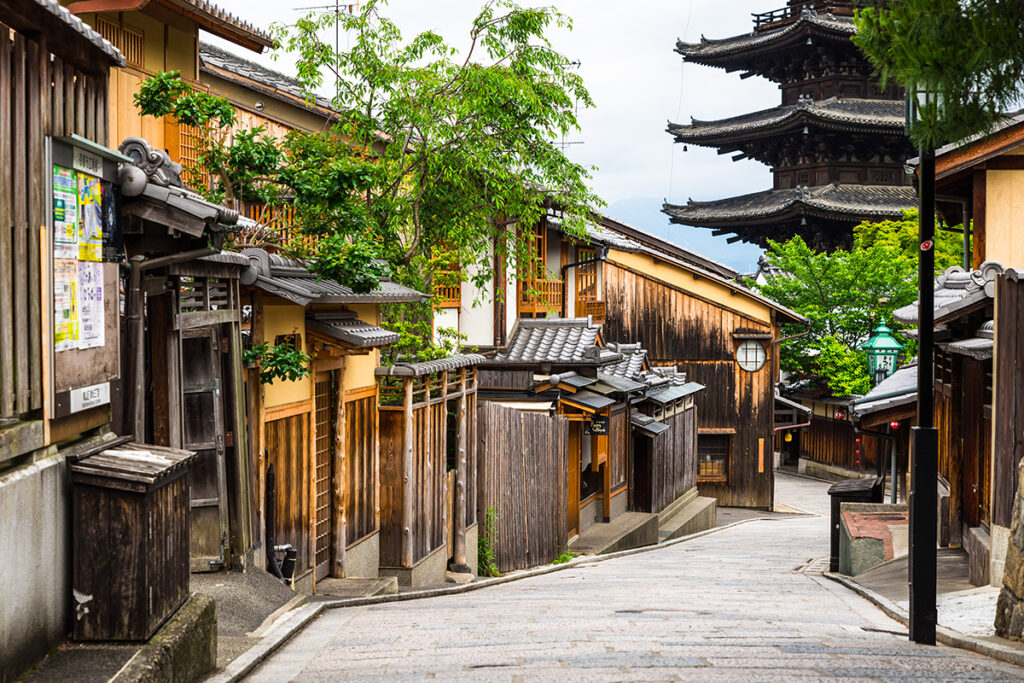
Prices for these unique properties typically start around 30 million yen. Many are already renovated, but for those that aren’t, Axios leverages its network to assist with restorations that balance modern comforts with traditional aesthetics. One recent client from Singapore, for example, purchased a machiya to serve as a holiday home, with plans to rent it out during vacancies to offset costs.
Top Property Choices for Long-Term Value
In the Tokyo market, the focus remains on properties that balance lifestyle appeal with strong value retention. Tsuyoshi specifically recommends centrally located condominiums in neighborhoods like Asakusabashi, Ueno, and Iriya.
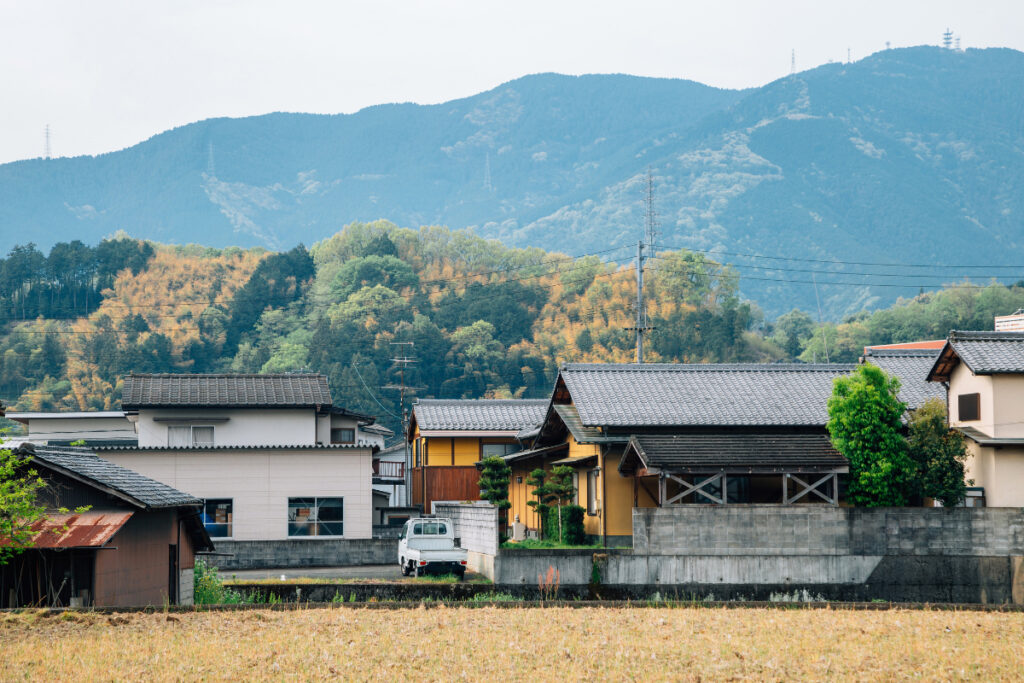
These areas are strategically chosen because they remain reasonably priced compared to the city’s most saturated districts while offering excellent connectivity to major transportation hubs. While the idea of countryside akiya (abandoned homes) often captures headlines, Axios steers clients toward these urban properties to ensure stronger asset value and reliable rental potential.
"All of our agents speak multiple languages, and we specialize in helping international clients navigate Japan’s complex property landscape.”
Navigating the Market with Bilingual Support
The primary advantage of working with Axios Management is their ability to offer a truly bilingual, full-service experience in a market often guarded by language barriers. “All of our agents speak multiple languages, and we specialize in helping international clients navigate Japan’s complex property landscape,” Tsuyoshi noted.
Uniquely, Axios provides 360-degree support that extends well beyond the point of sale. This includes handling utility payments, managing taxes, conducting vacant home checks, and overseeing long-term or monthly rentals. This integrated approach ensures a seamless, end-to-end experience that most standard agencies cannot provide.
Essential Due Diligence and Market Risks
Due diligence and inspections are essential... Start with a consultation, and make sure you’re working with a trusted property manager
Despite the lack of legal restrictions, buying in Japan requires careful scrutiny regarding taxes and property quality.
“Taxes can be high, and if a property is priced too low, there’s usually a reason,” Tsuyoshi warned. “That’s why due diligence and inspections are essential. Unfortunately, there are many unprofessional agents in the market. Start with a consultation, and make sure you’re working with a trusted property manager”.
At Axios Management, the process begins with a comprehensive consultation to define goals and clearly outline costs. From there, the team supports the entire journey, ensuring the investment is sound from day one.
Uniquely, Axios provides 360-degree support that extends well beyond the point of sale. This includes handling utility payments, managing taxes, conducting vacant home checks, and overseeing long-term or monthly rentals. This integrated approach ensures a seamless, end-to-end experience that most standard agencies cannot provide.
Conclusion
Japan offers a compelling opportunity for second home buyers, but the market’s intricacies can be difficult to navigate for the uninitiated. Success depends on working with a team that understands both the local landscape and the specific needs of international investors.
Axios Management bridges this gap by supporting buyers through every step, from defining the strategy to managing the asset. For many, this hands-on guidance is the key to a stress-free purchase.
Thinking of buying a second home in Japan? Contact Axios Management to book a consultation and start your journey with expert support.
Frequently Asked Questions
Why is 2025 a good time to buy in Japan?
The combination of a weak yen and Japan’s target of 60 million annual tourists by 2030 makes it a prime time for investment. The market is viewed as resilient and affordable, with high rental potential due to the tourism rebound.
Can foreigners legally buy property?
Yes. There are no restrictions on foreign ownership. Non-residents can buy and own freehold land and buildings on the exact same terms as Japanese citizens.
What properties are most popular with international buyers?
Buyers generally favor central Tokyo condos in well-connected areas like Ueno and Asakusabashi for value retention. In Kyoto, renovated machiya townhouses (starting around ¥30M) are popular for their cultural appeal and rental potential.
What are the main risks?
Buyers must be wary of "too good to be true" prices, which often signal hidden defects. Navigating the tax system and finding trustworthy, bilingual property management are also common challenges that require professional support.